Vaal Bulk Bags: Your Ultimate Guide to Industrial Storage Solutions
Vaal Bulk Bags are a practical solution for the storage and transportation of a vast range of materials, prominently used in industries such as agriculture, construction, and mining. These flexible intermediate bulk containers (FIBCs) are designed to handle a significant amount of weight, typically ranging from 500 to 2000 kilograms. Their robust design and versatile nature make them an essential component in logistical operations, facilitating the movement of goods both domestically and internationally with ease and efficiency.
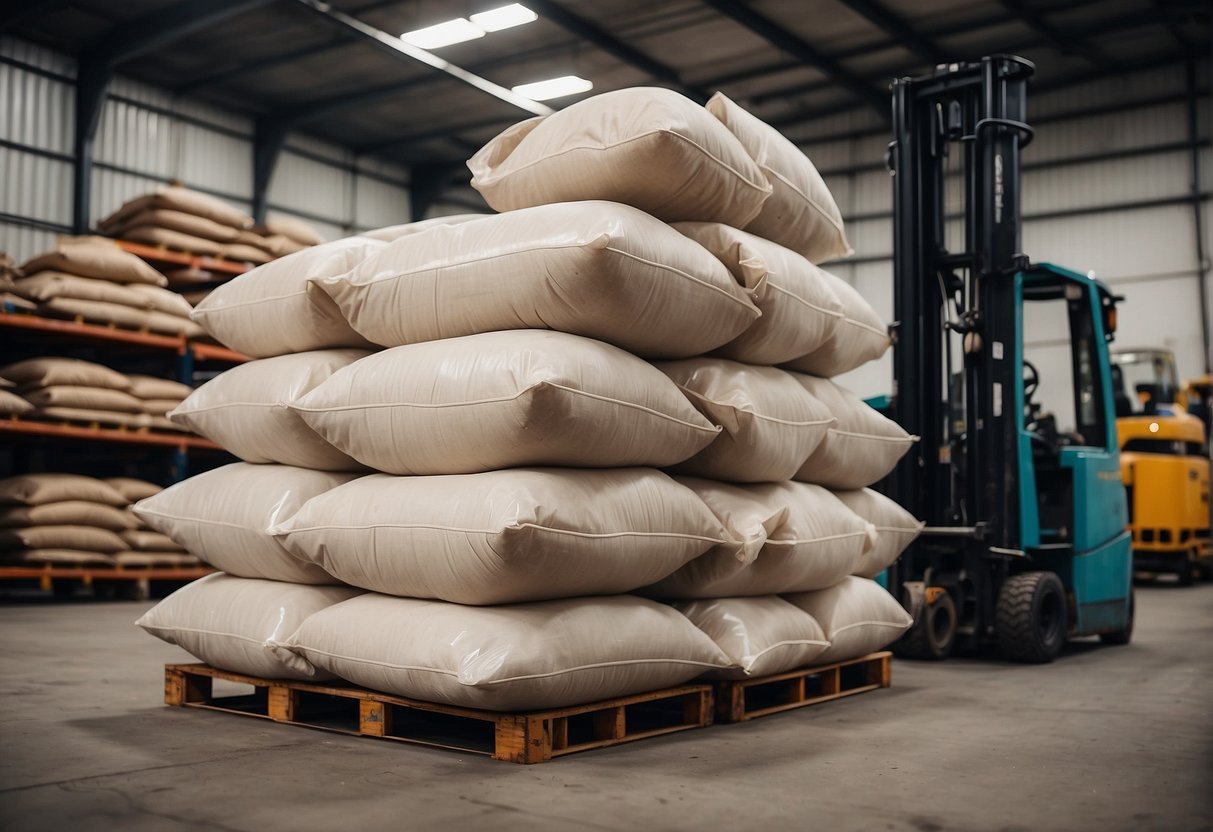
The construction of Vaal Bulk Bags ensures they meet strict industry standards, which is pivotal for maintaining the integrity of the materials they carry. Made from durable polypropylene fabric, they are designed to withstand the rigours of transport and the challenges of storage, such as exposure to the elements and the stress of stacking. The bags usually come equipped with loops or handles, making them easy to lift with machinery such as forklifts and cranes, which is essential for maintaining a swift flow of operations in industrial settings.
Vaal Bulk Bags’ commitment to quality extends to their adaptability to various filling and discharge mechanisms, catering to different industry needs. Whether dealing with fine powders, granules, or larger aggregates, the design of these bags incorporates features such as spouts for controlled pouring or duffle tops for easy access. This flexibility ensures that Vaal Bulk Bags can serve a broad spectrum of purposes, solidifying their reputation as a trusted and efficient tool for bulk material management.
Fundamentals of Vaal Bulk Bags
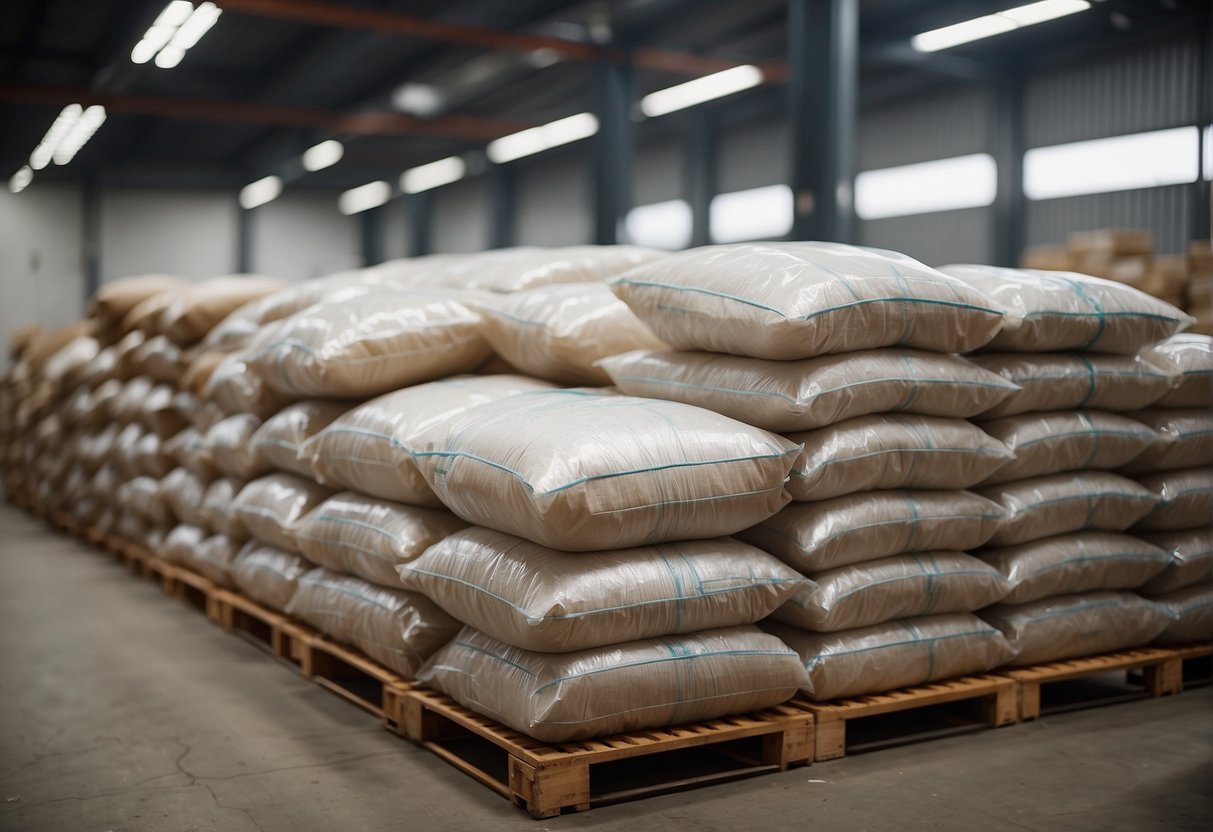
Vaal Bulk Bags, commonly known as FIBCs (Flexible Intermediate Bulk Containers), are essential for the efficient transportation and handling of various industrial materials in Gauteng and beyond.
Material and Design Specifications
Material: Vaal Bulk Bags are predominantly manufactured from woven polypropylene, a material renowned for its strength and durability. The design of these containers typically includes loop handles for lifting and may feature different types of tops such as filling spouts, open top, valve top, or skirt top.
Design: The structure of these bags ensures flexibility, yet with a stable form that can carry a Safe Working Load (SWL) specific to each bag type. They are engineered with various strength specifications to handle different industry requirements.
Types and Features
There are several types of Vaal Bulk Bags, including the standard builder’s bags for construction materials, and UN certified bags designed for hazardous materials. The features vary by type, with some offering enhanced ventilation, while others are tailored with spouts for easy discharge. For instance:
- Open Top: Ideal for easy loading.
- Skirt Top: Allows for securetying and covering.
- Valve Top: Designed for controlled discharge.
Bags may also have different bottom designs, like flat or with discharge spouts.
Regulatory Compliance and Standards
Vaal Bulk Bags must comply with rigorous regulatory standards. Certified bags, especially those carrying hazardous materials, adhere to UN certifications. Meeting these stringent regulations ensures safety in transport and handling, while also affirming quality control. The ISO9001 standard is one of the quality benchmarks for these bags.
Bags for Different Industries
Vaal Bulk Bags serve numerous industries, each with specific requirements for handling and transport of materials:
- Construction: Standard builder’s bags are used for transporting aggregates, sand, and cement.
- Food: High-grade bags ensure safe food transport.
- Agriculture: Designed for seeds, grains, and fertilisers.
- Mining: Heavy-duty bags cater to the transport of ores and minerals.
- Waste Industries: Specialised bags are used for the collection and disposal of waste products.
Their broad applicability showcases their integral role in industrial flexibility and efficiency.
Practical Applications and Sustainability
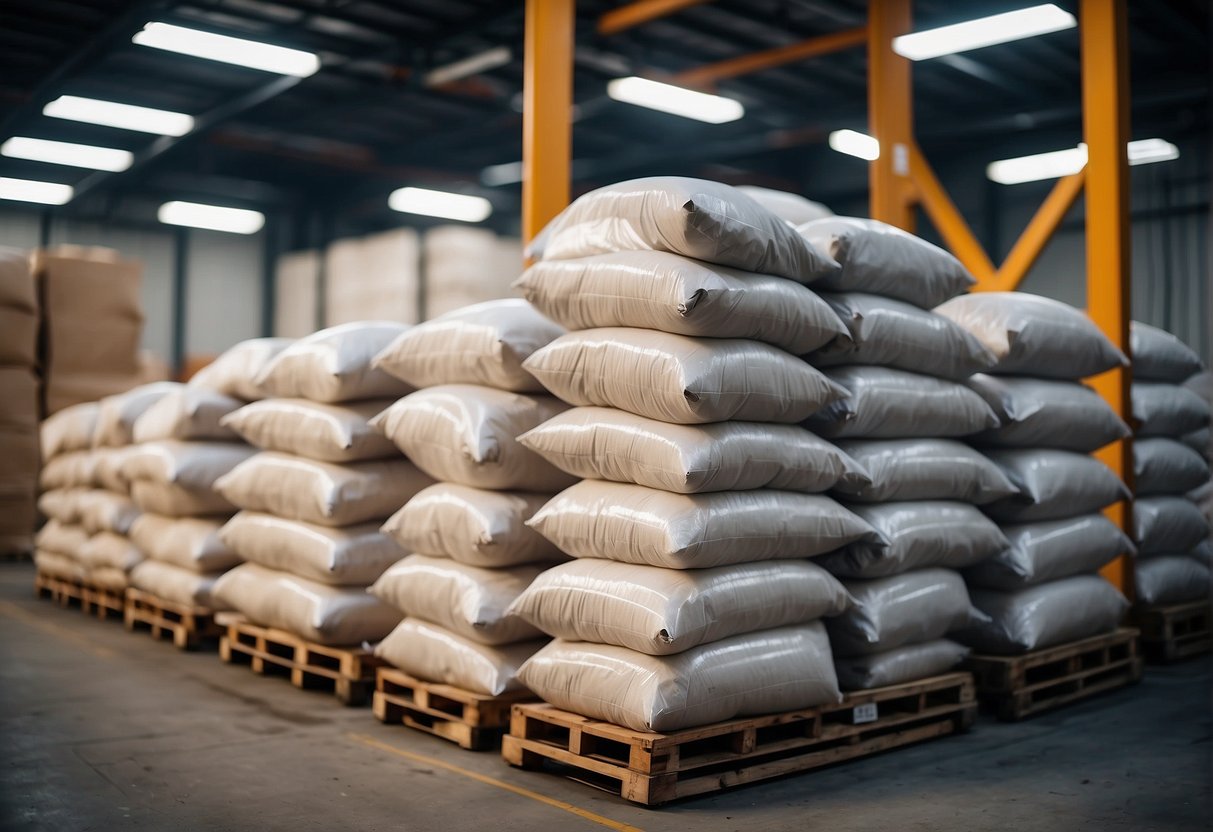
Vaal Bulk Bags are essential for efficient material handling and offer significant sustainability benefits by being reusable and recyclable. They cater to a diversity of sectors, and their design advances both environmental stewardship and economic efficiency.
Usage in Various Sectors
Vaal Bulk Bags, also known as tonne bags or jumbo sacs, are versatile in their application across multiple industries. In the agricultural sector, they are used for transporting feed, grain, and fertiliser. For construction, they carry sand, gravel, and aggregate. In mining, these bags handle ore and waste materials, ensuring stability during transit. The food industry utilises them in the safe and hygienic packaging of bulk ingredients. Even in retail and DIY projects, smaller bags offer convenience and flexibility.
Environmental and Economic Advantages
Eco-friendly practices are at the forefront of Vaal Bulk Bags’ usage. They are designed for multiple uses, thus reducing waste in landfills. The recycling service available extends the lifespan of these bags, promoting sustainability. Economically, their reusability makes them a cost-effective choice, lowering the need for single-use packaging and consequently decreasing expenses.
Customisation and Logistics
Vaal Bulk Bags can be customised to specific sizes and purposes, whether it’s bespoke batches for a unique requirement or a wide range of bags stocked for immediate shipment. These bags offer a stable and affordable choice with high weight capacity, which is critical in transportation and logistics. They can be designed to fit on pallets, facilitating easy loading and unloading, while custom options for small bags or second-hand bags enhance their versatility and appeal.